Cape Coral, FL · Garage Door Service
What Actually Happens to Your Spring When a Cold Front Rolls Through Cape Coral
Cape Coral's mild climate rarely sees freezing nights, but the few cold snaps each winter are exactly when a tired torsion spring on a 1980s-90s door gives out.
- Repairs & new doors
- Springs & openers
- Serving 5 nearby communities
How Local Conditions Play In
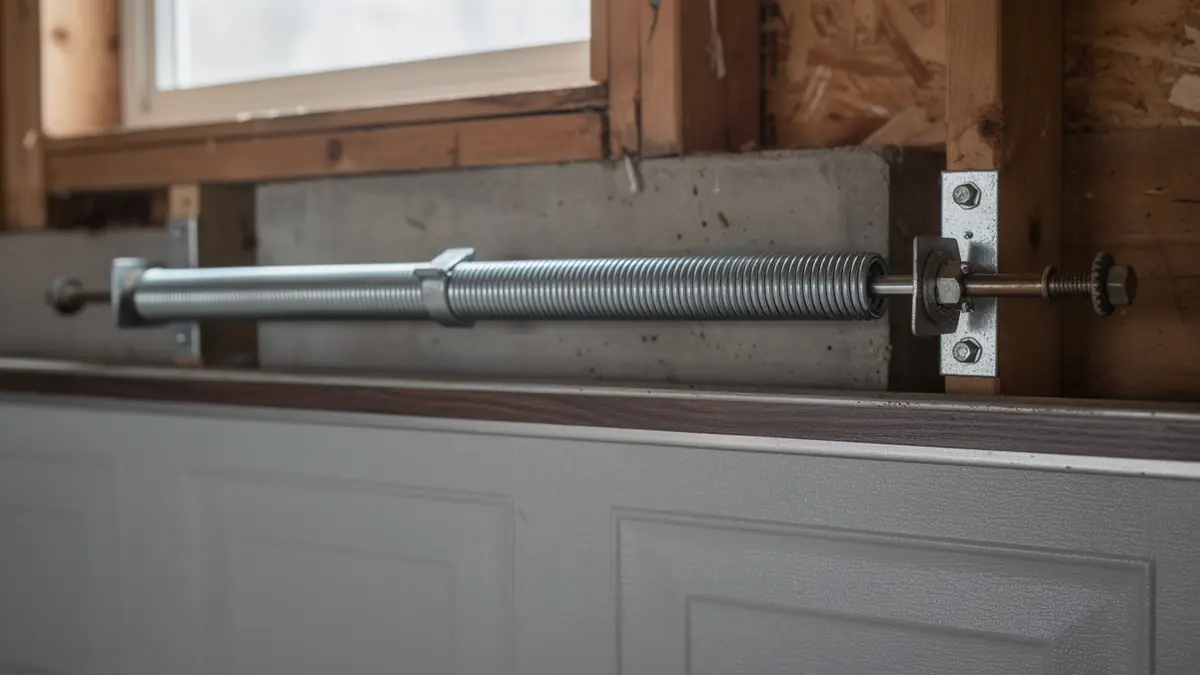
Cape Coral sits in a mild temperate band, so you're not dealing with the freeze-thaw cycling that wrecks springs up north. That's the good news. The catch is what it does to homeowner expectations. Most of the housing stock here went up between 1970 and 2006, with the bulk concentrated in the 1980s and 90s across the 24 named areas in this part of the county - Trafalgar, Mariner, Hancock, Pelican, and the rest. A torsion spring on a door from that era has already put in three or four decades of daily heat-cycling, garage temperatures swinging from the 90s down to the 60s most nights. That metal is fatigued long before a cold front ever shows up. So when one of our rare January or February cold snaps drops overnight lows into the 40s, it's not the cold itself breaking the spring - it's the cold finishing off a spring that was already near the end of its coil count from years of South Florida heat. People here don't expect a winter failure because they don't think of Cape Coral as having a winter. That's the part that catches owners off guard.
Season by Season
Summer here is long, hot, and humid, and that's the season doing the real damage to springs, hinges, and rollers - the metal expands, the lubricant breaks down faster, and galvanized coating starts to pit on older springs. Fall brings afternoon storms but not much temperature swing. Winter is short and mild by any national standard, but it's not nothing: Cape Coral gets several nights a year, usually clustered in a handful of cold fronts between December and February, where the mercury drops into the 40s and occasionally the high 30s. On a door built during the 1985 median construction year, that temperature drop is enough to make steel contract just enough to snap a spring that was already down to its last few hundred cycles. Spring doesn't bring failures the way it does up north with thawing ground - here it's quieter, a slow return to baseline heat. If your spring is going to let go on a cold morning, it was already close to the end before the cold front arrived. The front is the trigger, not the cause.
The Common Mistake
The mistake we see most is homeowners treating a Cape Coral garage like it's immune to seasonal stress because there's no real winter to speak of. Since most homes here share a construction window from the 1970s through the mid-2000s, a huge share of springs across this service area are aging out on roughly the same calendar, regardless of how mild the weather felt the day they went up. People wait for a visible sign - sagging, noise, a door that won't open - but a torsion spring usually doesn't warn you. It just goes, often on the one cold morning of the year when the metal finally has a reason to contract past its limit. We can't predict the exact morning. What we can tell you is that a 25-plus-year-old spring on a door from that era is living on borrowed time no matter how comfortable the climate feels the rest of the year.
The Situation
Across the service area there are roughly 43,800 owner-occupied houses out of about 85,866 households, and a lot of those garages still carry original or first-replacement hardware from the 1985 median build year. With a median household income around $80,109, most owners here can choose between a spring repair and a full opener or door upgrade when the time comes - that's a real decision, not an emergency-only call. One limitation worth saying plainly: if your spring breaks during a cold snap and you need a specific gauge or size that isn't common stock, we may not have it on the truck that day, and a same-day fix isn't always possible. That's not us being slow, it's just how parts inventory works for less common spring sizes.
Frequently asked questions
Does Cape Coral's weather really affect garage door springs?
Indirectly, yes. The mild climate doesn't cause the kind of dramatic freeze-thaw damage you'd see up north, but the handful of cold fronts we get each winter can be enough to snap a spring that's already fatigued from years of heat cycling in a hot garage.
How old are most garage door springs in this area?
A lot of homes in the service area were built between 1970 and 2006, with the heaviest concentration in the 1980s and 90s. If your house falls in that window and the spring has never been replaced, it's likely well past its expected cycle count.
Why did my spring break on a cold morning specifically?
Steel contracts slightly as temperatures drop. A spring near the end of its life has little margin left, and that contraction during one of our winter cold snaps is often enough to be the final push that breaks it.
Can you always replace a broken spring the same day?
Usually, but not always. If your door needs a less common spring size or gauge, we may not have it on the truck and might need to order it, which can add a day or two.
Related garage door services in Cape Coral
More garage door guides
Book garage door service in Cape Coral
Call now or request a quote - tell us what the door is doing and where you are.